Vancouver · On-site robot deployment

The last mile
of robotics.

Robot makers build great machines. Making them work inside a real hotel, restaurant or plant in North America is a different job. KeepRobots is the local team that does it: we survey the site, map it, connect elevators and doors, train your staff, and keep the fleet running.

Brand-agnostic — we don't sell robotsElevator work with licensed contractorsEnglish + 中文 engineers on site
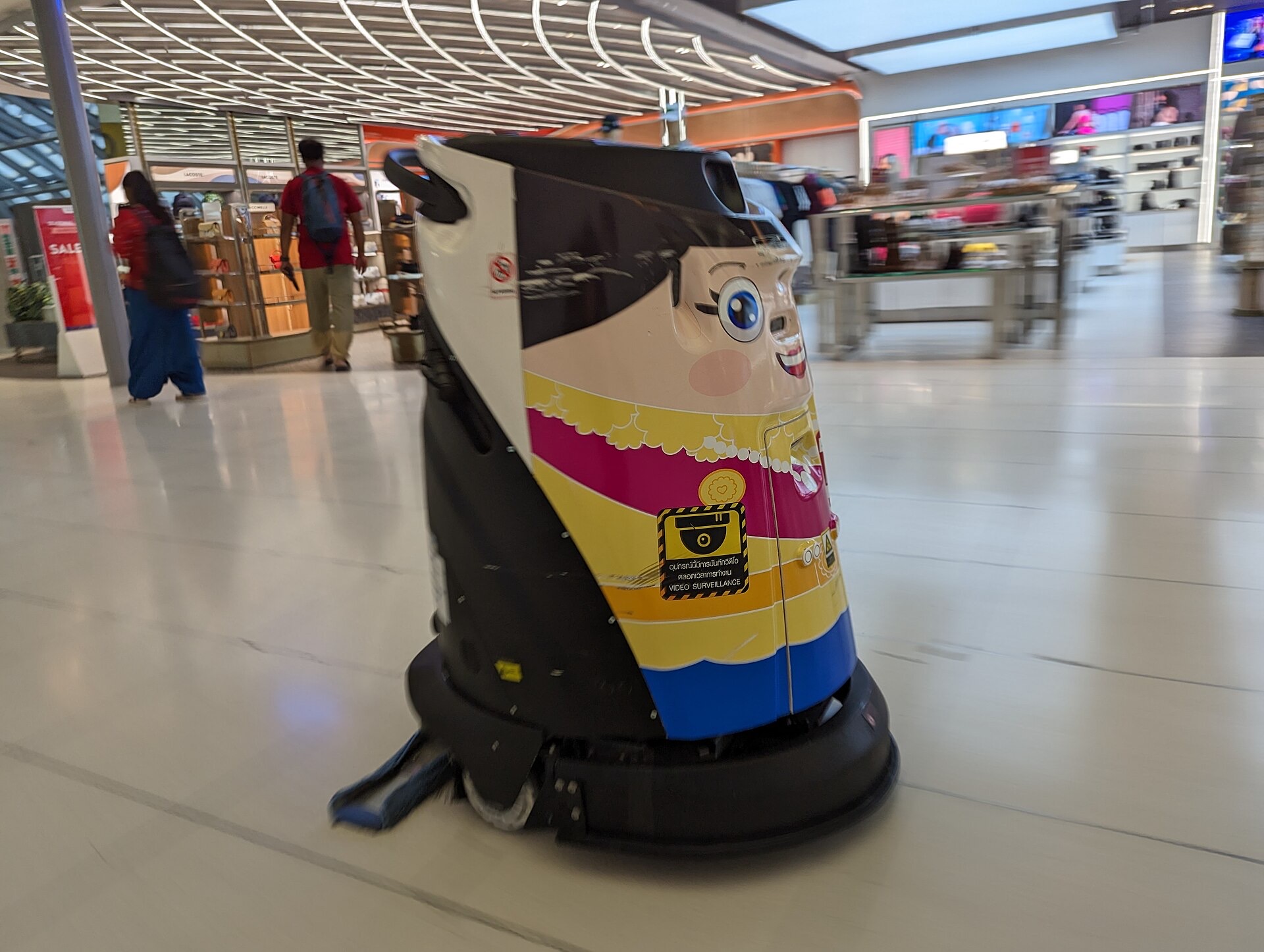
Service robot during deployment
SITE LIVE · COMMISSIONING
ROBOT · LOCALIZED
MapLobby → 17F
Elevator● Linked
StatusGo-live ✓
The gap

Great robots stall at the loading dock.

Many of the service robots sold in North America are designed and built in China. The hardware is ready. What's usually missing is a trained team on this side of the Pacific that can make a robot work in one specific building, and come back when something breaks.

01

Every building is a custom install

Elevators from different makers and decades, glass and fire doors, carpet transitions, ramps, Wi-Fi dead zones. The robot is standard. The site never is.

02

Factory engineers are 15 hours away

Flying engineers across the Pacific for every go-live is slow and expensive, and remote support can't recalibrate a LiDAR or swap a drive wheel.

03

Local rules decide go-live

Elevator alterations, electrical approval marks, radio certification and privacy for camera-equipped robots follow Canadian and US rules, not the spec sheet.

For manufacturers & distributors

Your North American field team — without building one.

We deploy and service your robots at your customers' sites, following your procedures. We don't sell robots and we don't take your customer.

  • Pre-sales site surveys that turn leads into correctly-scoped deals
  • Commissioning and go-live, white-label or co-branded
  • Warranty repairs, RMA triage and a local spare-parts stock
  • Bilingual liaison with your HQ engineers, reports in Chinese
For hotels, restaurants, facilities & plants

One accountable local team, from survey to support.

You deal with one team. We coordinate the robot vendor, your elevator contractor, IT and security, and stay on as your service provider.

  • Independent advice on whether a robot fits your site
  • Elevator, door, network and POS/PMS work coordinated end to end
  • Hands-on staff training across shifts
  • Service plans with remote monitoring and on-site response
What the last mile includes

Everything between the crate and a working robot.

Each deployment is scoped from a site survey, so you know what the building needs before anyone signs a purchase order.

Site survey & feasibility

Floor plans, door widths, thresholds, slopes, floor finishes, traffic peaks and a Wi-Fi/LTE heatmap. You get a written go/no-go site readiness report.

Mapping & route design

LiDAR / visual SLAM or marker-based maps, virtual walls, speed and quiet zones, charging and parking points, multi-floor maps.

Elevator integration

Robot-to-elevator connection through the elevator maker's API (KONE, Otis, Schindler, TK Elevator), the robot vendor's IoT module, or a dry-contact interface. Your licensed elevator contractor does the controller work; we own the robot side and test every floor.

Doors, gates & access

Automatic doors, turnstiles and card readers linked so robots pass without staff. Fire-alarm hooks so robots clear exit routes.

Network & IoT

Roaming tests in lobbies, back corridors and elevator cars. VLAN, firewall and remote-access rules agreed with your IT team.

Software integration

Room phone/PMS and SMS notifications for hotels, POS table numbers for restaurants, WMS/MES for warehouses, nurse-call workflows in care.

Training & go-live

Role-based training for front desk, servers, janitorial and maintenance staff, with bilingual quick cards and 1–2 weeks of close support after go-live.

Compliance & safety

Certification-mark checks (CSA / cUL / cETL), ISED/FCC labels, privacy signage and a risk assessment before robots share space with people.

Fleet monitoring

Remote dashboards, fault alerts and monthly utilization reports, so problems get fixed before your staff notice.

Maintenance, repair & parts

Preventive maintenance, sensor calibration, battery health checks, firmware updates coordinated with the manufacturer, local spare parts, depot repair and RMA logistics.

The hardest part, done right

Elevators are where deployments stall. We start there.

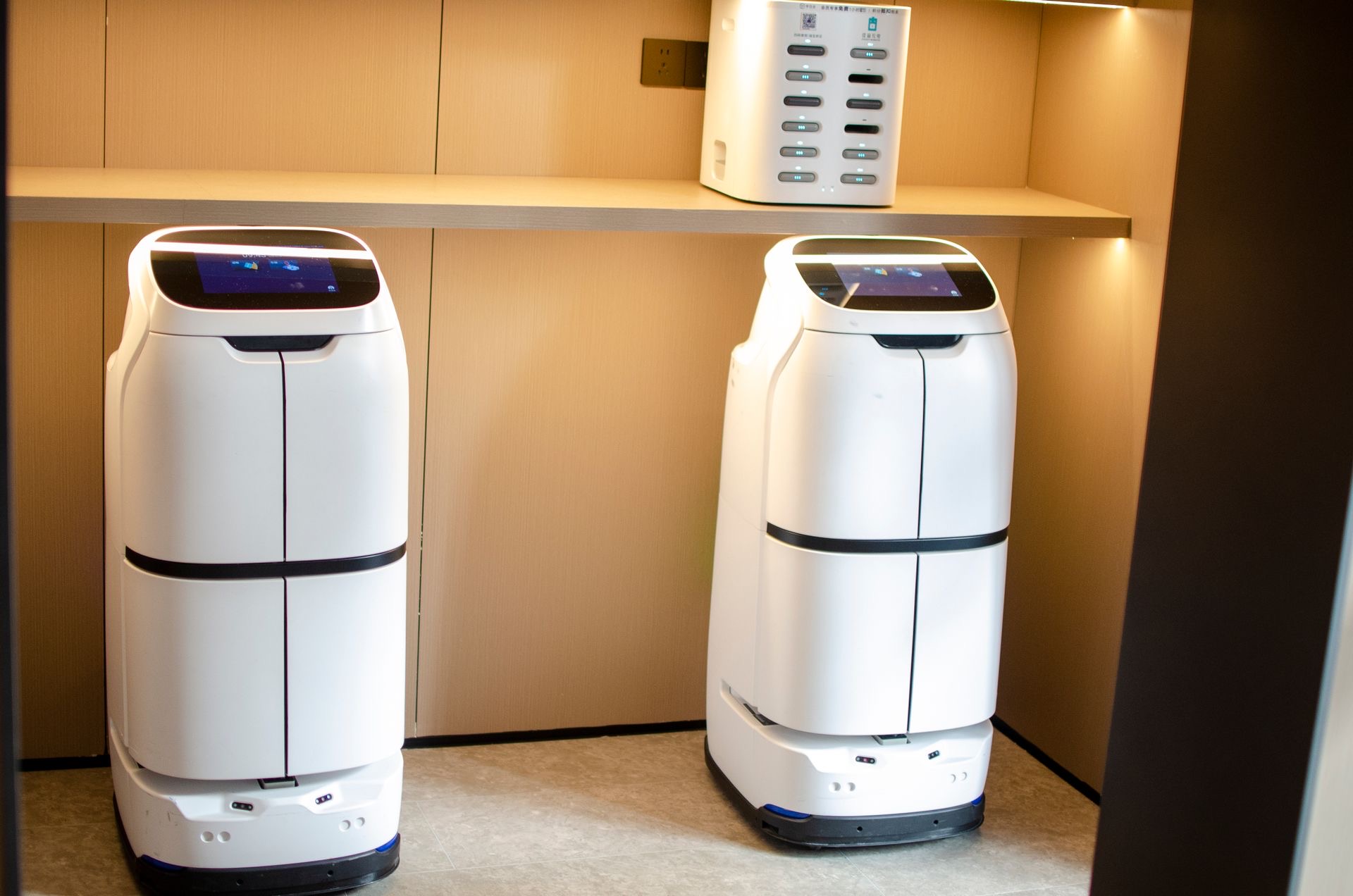
A delivery or cleaning robot that can't ride the elevator is a one-floor robot. Elevators are regulated equipment, so we plan the integration with the building's elevator contractor and the robot vendor from the first site visit.

  • Three paths: elevator-maker cloud API, the robot vendor's IoT module, or a dry-contact interface
  • We don't touch the elevator controller. Licensed elevator mechanics do that work, with permits and inspections where the authority (Technical Safety BC in British Columbia) requires them
  • Floor-by-floor testing: call, board, door hold, exit, fault recovery
  • Defined robot behaviour for a full car, out-of-service elevators and fire recall
ROBOTDelivery / cleaning ROBOT CLOUDVendor fleet server GATEWAY / APIElevator interface CONTROLLERBy licensed contractor BUILDINGDoors · Fire alarm call / statusdispatch floor callWi-Fi / LTE recall signal
Deployment playbooks

What a deployment actually involves.

Real projects are messier than brochures. These examples show typical scope, the site problems we plan for, and what you have in hand at handover.

MULTI-FLOOR · ELEVATOR-LINKED
Hotel2 delivery robots20+ floors≈ 3–6 weeks

Downtown hotel: amenity delivery on every floor

The site

A full-service hotel with two elevator cars of different generations, a busy lobby, and front-desk staff tied up with towel and toothbrush runs every evening.

What we do

  • Wi-Fi survey of lobby, elevator lobbies and cars
  • Interface scoped with the elevator contractor and robot vendor; permit handled where required
  • Floor-by-floor mapping, quiet-hour speeds
  • Arrival call to the room phone; front desk and night staff trained
Site readiness reportElevator test logBilingual SOPs2-week hypercare
FOOD SERVICE · PEAK HOURS
Restaurant3 serving robots200+ seats≈ 1–2 weeks

Busy dim-sum hall: serving and bussing at weekend peak

The site

Narrow aisles, high chairs, trolleys, and a weekend lunch rush where servers walk kilometres. Mirrors and glass partitions confuse some positioning systems.

What we do

  • Aisle measurements; laser SLAM vs ceiling markers chosen for the room
  • Table map and kitchen-pass pickup points
  • Separate queuing and parking so robots stay out of server paths
  • Floor staff trained before a live service
Table mapPeak-hour route planEN / 中文 quick cardsService plan
FACILITIES · NIGHT SHIFT
Shopping centreScrubber fleet3 levels≈ 2–4 weeks

Shopping centre: overnight scrubbing across three levels

The site

Tile, polished concrete and entrance matting across three levels, escalators robots can't use, and a cleaning contractor who needs predictable coverage.

What we do

  • Workstation sited with power, water supply and drain (with the facility's plumber)
  • Zones by floor type, chemical and pad settings
  • Service-elevator link for level changes
  • Overnight schedule aligned with security and the janitorial crew
Cleaning mapsScheduleCoverage report templatePM calendar
OUTDOOR · RTK
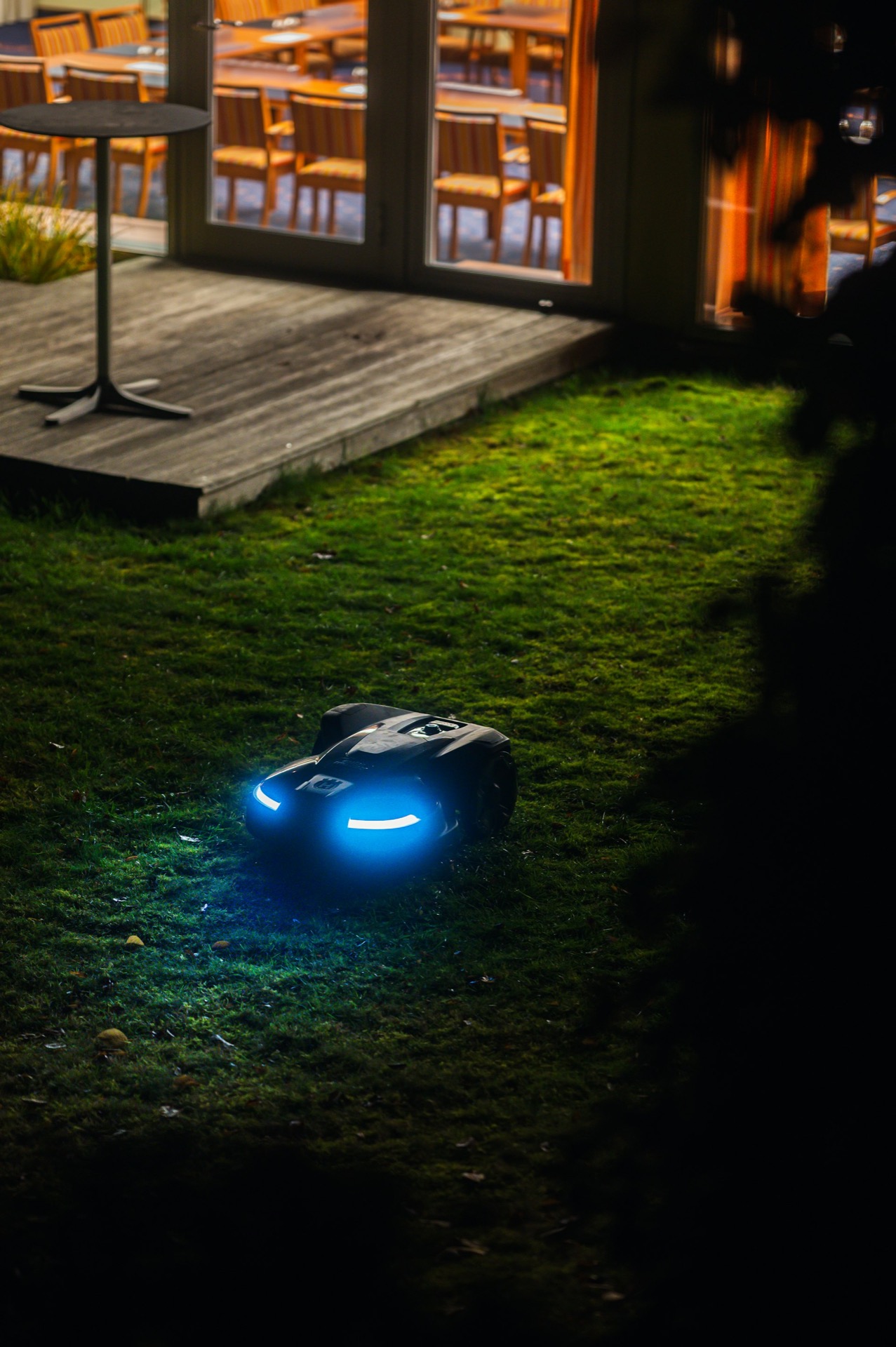
Strata / campusRobotic mowersShared lawns≈ 2–5 days per site

Townhouse strata: wire-free mowing on shared lawns

The site

Irregular lawns with flower beds, slopes and a pond, residents who care about noise, and a strata council that wants no crew traffic.

What we do

  • RTK base station sited with open sky and power, or network RTK where coverage allows
  • Wire-free boundary, no-go zones and passage corridors
  • Schedule checked against the municipal noise bylaw; rain delay rules
  • Resident notice, anti-theft geofence and alerts
Boundary mapsMowing scheduleSpring start-up & winter storage
INDUSTRIAL · SAFETY-FIRST
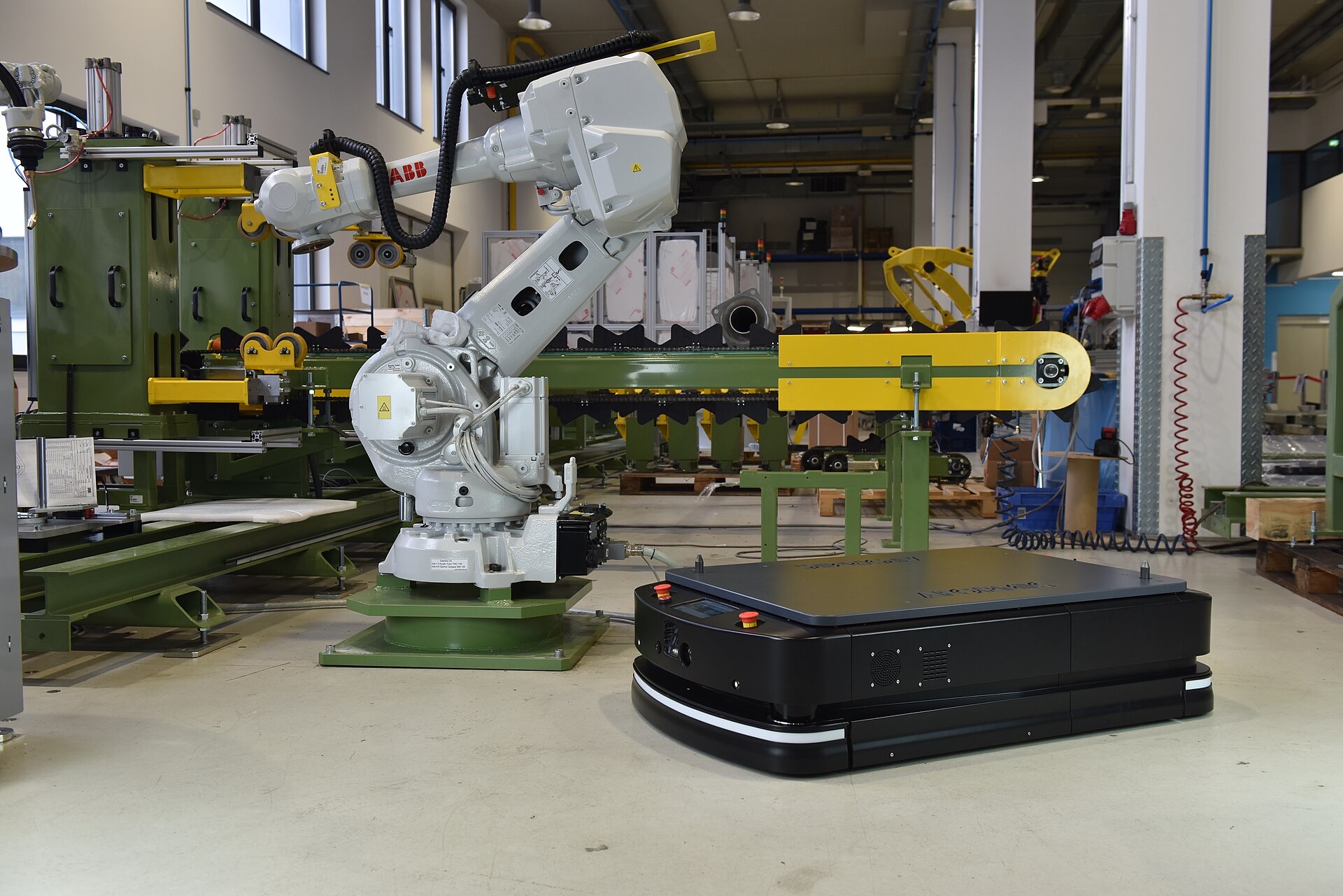
Warehouse / plantAMR fleetMixed traffic≈ 4–8 weeks

Distribution centre: AMRs between pick zones and docks

The site

Totes moved by hand between pick zones, packing and outbound docks. Forklifts, pedestrians and fire doors all share the same aisles.

What we do

  • Process walk and throughput targets
  • Risk assessment and traffic rules (ANSI/A3 R15.08-2)
  • WMS interface for task dispatch; fire-door interlocks
  • Pilot on one shift, then scale
Risk assessmentIntegration specSite acceptance testOperator training records
HEALTHCARE · SECURED ROUTES
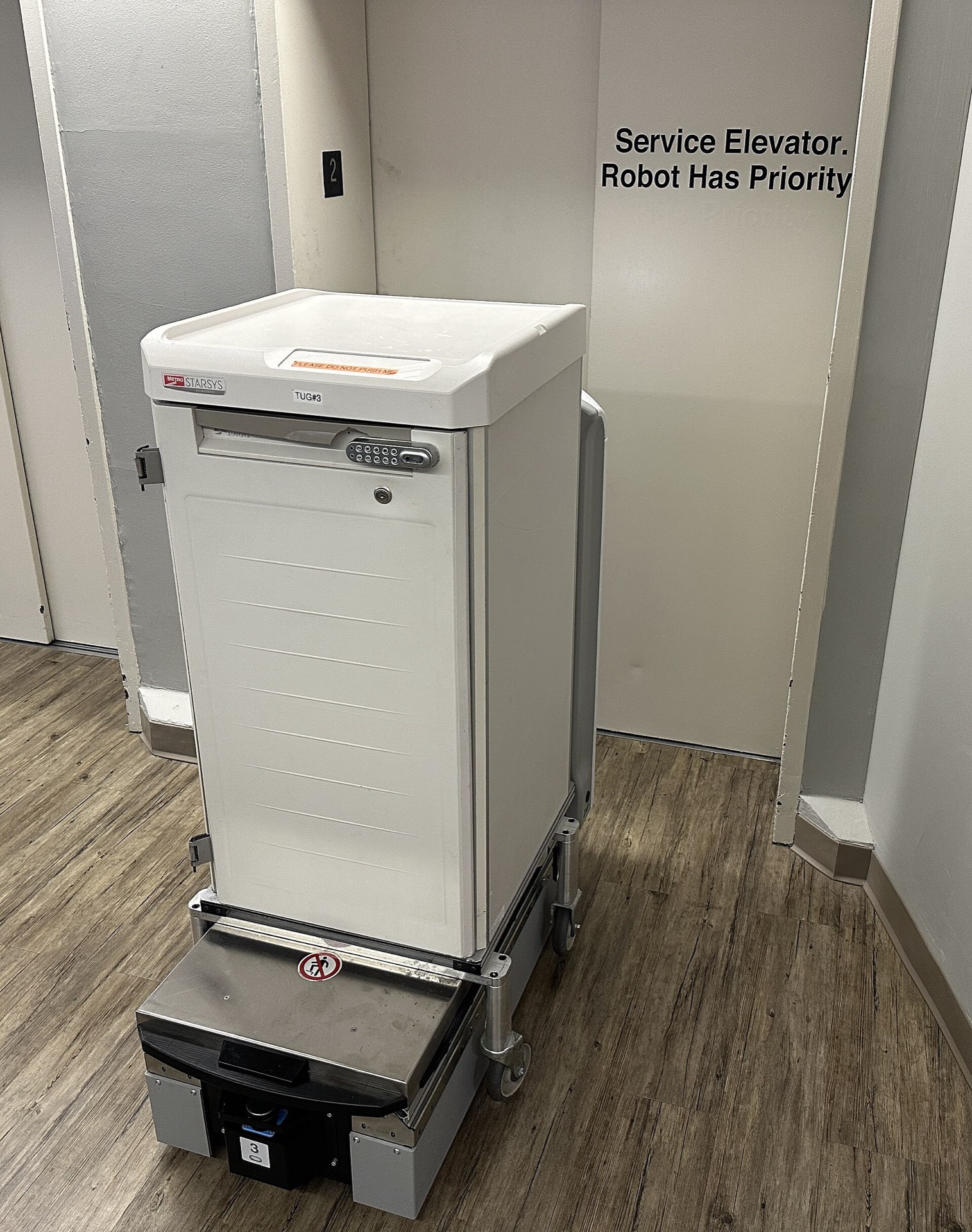
Senior livingDelivery robotsSecured floors≈ 3–5 weeks

Senior-living residence: meals and linens between floors

The site

Staff spend hours pushing carts between the kitchen, laundry and resident floors. Doors are access-controlled and nights must stay quiet.

What we do

  • Locked compartments with badge or PIN
  • Access-controlled doors and elevator integration; fire-alarm behaviour defined
  • Quiet night routes and speed limits near rooms
  • Care staff trained; infection-control cleaning SOP
Route & access matrixCleaning SOPMonthly utilization report
KITCHEN · LICENSED TRADES
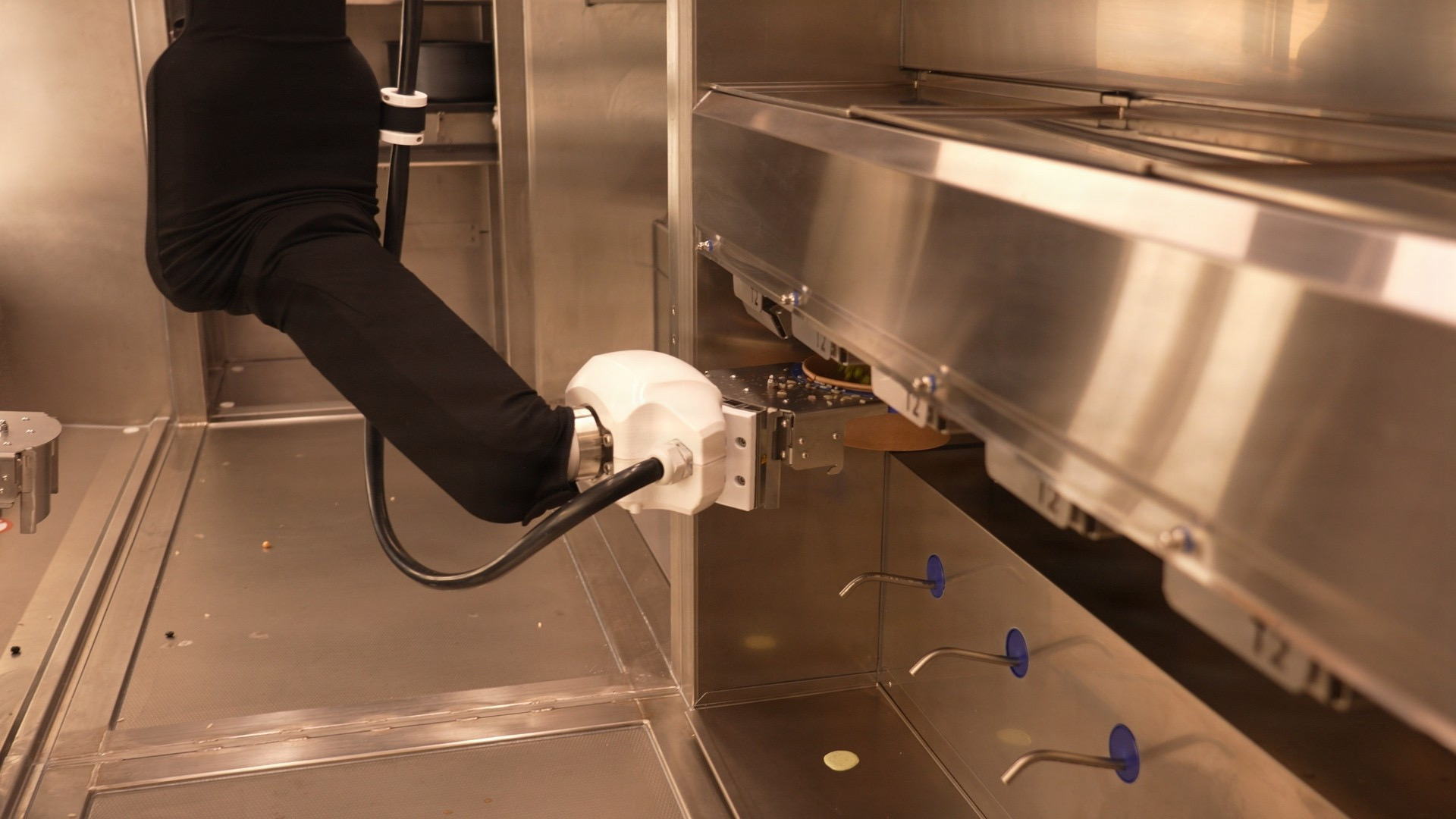
Ghost kitchenAutomated wok stationCommercial line≈ 2–4 weeks

Ghost kitchen: an automated wok line from crate to first order

The site

A delivery-only kitchen wants consistent stir-fry at volume. The machines arrive from overseas and need power, ventilation and health approval before the first order.

What we do

  • Certification marks checked (NSF / CSA / cUL), field evaluation arranged if needed
  • Dedicated circuits and gas by licensed trades; hood and suppression coordinated
  • Health-authority review supported
  • Recipes loaded, line cooks trained
Install checklistInspection fileCleaning & PM schedule

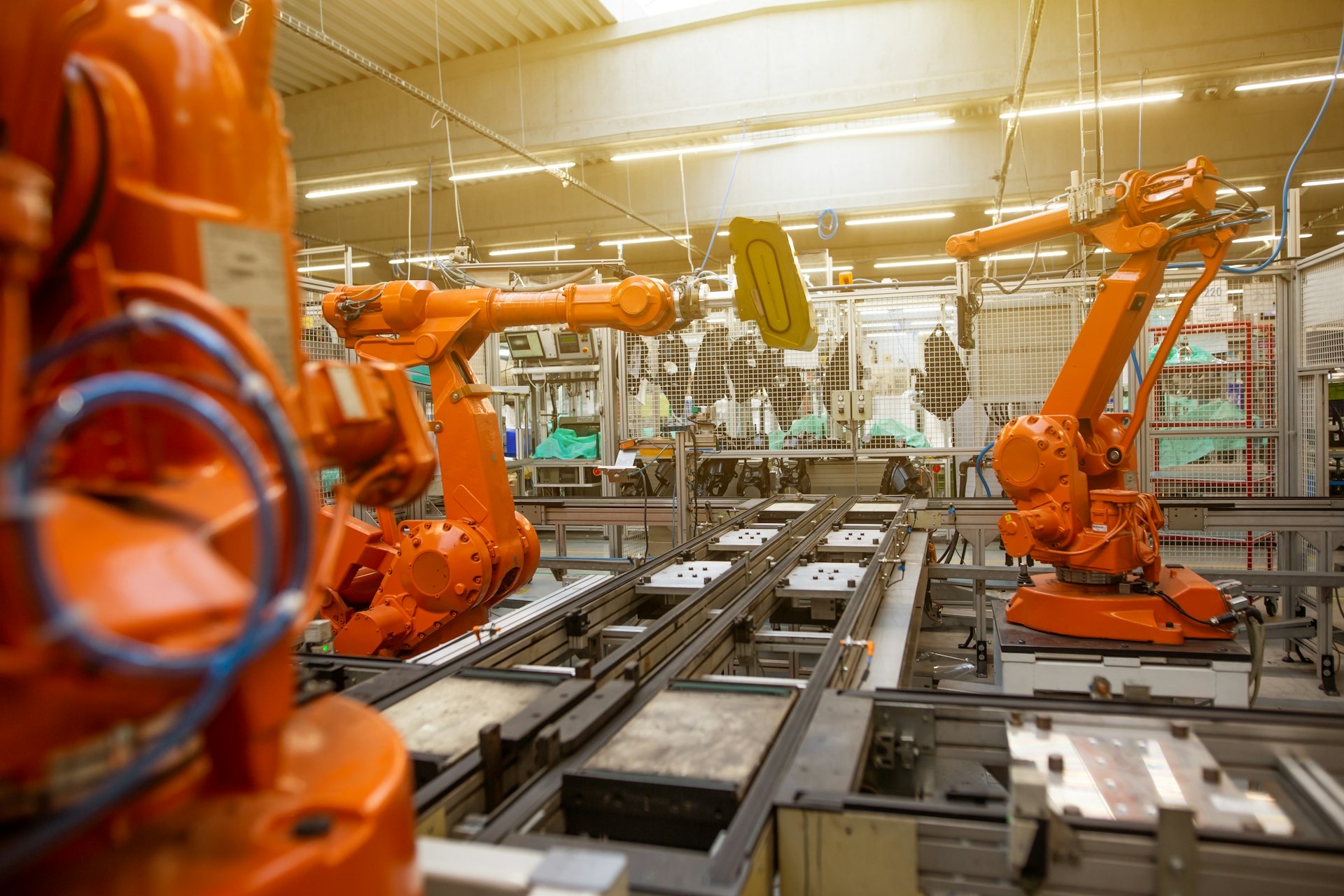
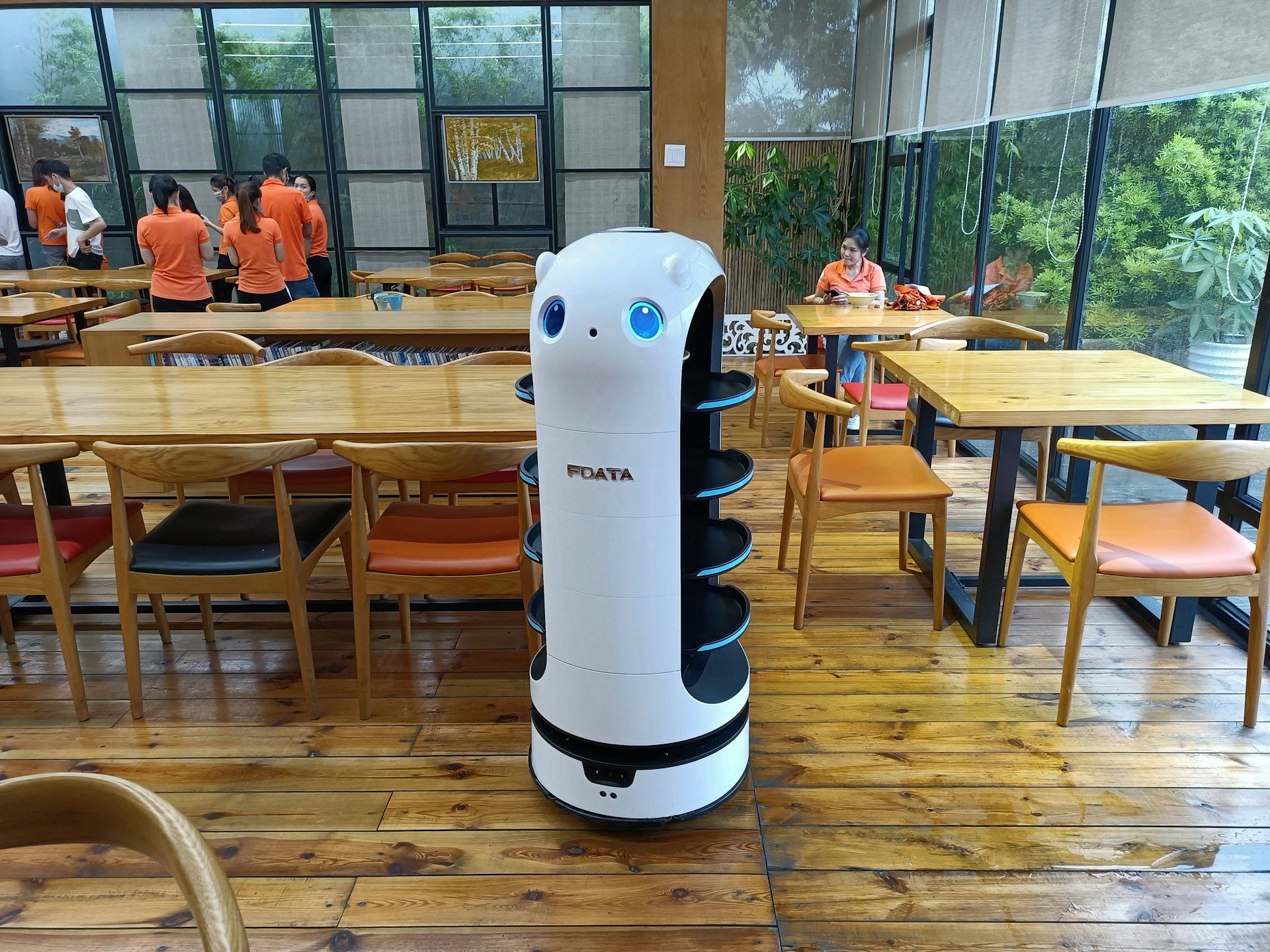
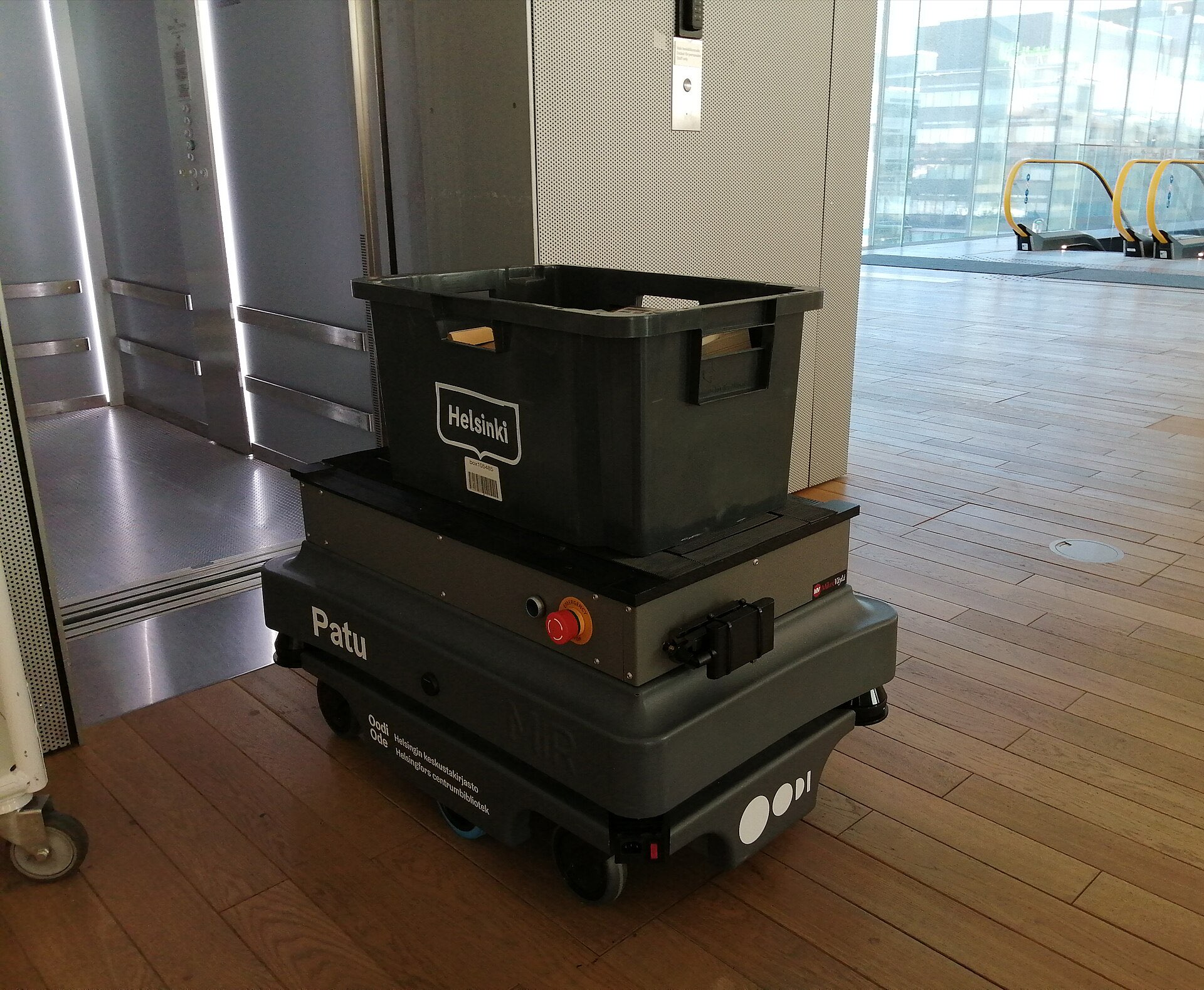
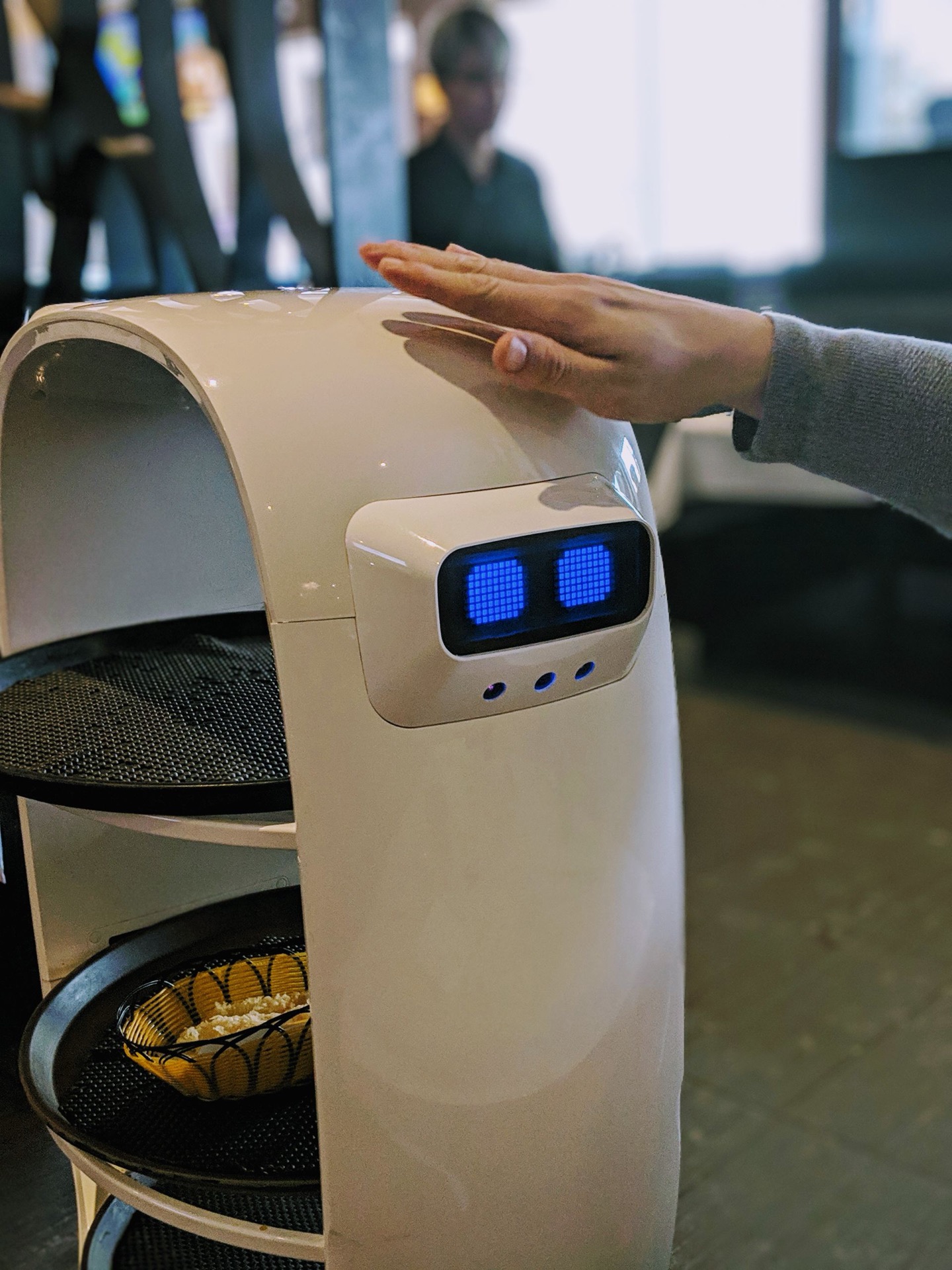
Example scenarios describing typical project scope — not specific client engagements. Photos illustrate robot categories.

How we deploy

Seven steps from floor plan to fleet.

Most of the risk is removed before the robot arrives. The time on site is spent executing a plan, not discovering problems.

01

Remote pre-check

Floor plans, elevator make and model, network details, a video walkthrough.

1–3 days
02

Site survey

Measurements, Wi-Fi heatmap, risk list, go/no-go report.

1 day on site
03

Integration plan

Elevator, doors, IT, power and water scoped; contractors and permits lined up.

1–2 weeks
04

Install & map

Docks, gateways, maps, routes and virtual walls.

2–5 days
05

Pilot & tuning

Real shifts, real traffic. Tracked, tuned, signed off.

1–2 weeks
06

Go-live & training

Role-based training, SOPs, handover pack.

1–3 days
07

Care

Monitoring, preventive maintenance, parts, on-site response.

Ongoing
Canada & US readiness

The rules that decide go-live.

Imported robots often arrive with Chinese or EU certifications only. We find the gaps early, while they are still cheap to fix.

CSA · cUL · SPE-1000

Electrical approval

Robots, chargers and docks need a recognized Canadian certification mark, or a field-evaluation label, before they're installed.

ISED · FCC

Radio certification

Wi-Fi, LTE, LoRa and UWB modules need ISED certification in Canada and FCC authorization in the US, with bilingual labels in Canada.

CSA B44 · TSBC

Elevating devices

Elevator alterations are done by licensed contractors under the elevator code, with permits and inspections where required.

PIPEDA · BC PIPA

Privacy

Camera-equipped robots need a stated purpose, notices, access controls and retention rules, and clear answers on where data is stored.

Care plans

After go-live, we stay.

Robots are machines with wheels, batteries and sensors, and they need service. Every plan is quoted per site and per fleet.

Essential

Keep it running

For single-site operators with a few robots.

  • Quarterly preventive maintenance
  • Remote diagnostics, business hours
  • Next-business-day on-site visit in Metro Vancouver
  • Parts at transparent pricing
Pro

Keep it productive

For busy sites where downtime costs revenue.

  • Monthly preventive maintenance
  • Remote monitoring & fault alerts
  • Same-business-day response in Metro Vancouver
  • Map & route updates when the site changes
  • Quarterly utilization review
Fleet / OEM

Run it at scale

For manufacturers, distributors and multi-site owners.

  • Multi-brand, multi-site coverage
  • Named field engineer and escalation path
  • Custom service levels and parts stock
  • White-label reporting into your ticketing
FAQ

Questions we hear first

Do you sell robots?

No. We're paid for deployment and service, not hardware margin, so our advice on which robot fits your site stays independent. We can introduce manufacturers and distributors.

Which robot brands do you work with?

We're brand-agnostic. We work from the manufacturer's service documentation and tools, and get trained and certified on a platform where the manufacturer offers it. Tell us the make and model and we'll confirm.

Can robots use our elevator?

Most modern elevators can be integrated through the elevator maker's API or an interface module. Older relay-logic controllers may need contractor work. The site survey gives you a clear answer and a quote before you commit.

How long does a deployment take?

A single-floor restaurant takes days. A multi-floor hotel with elevator integration usually takes several weeks, mainly because of elevator-contractor scheduling and any permits.

Who is responsible when a robot breaks?

The manufacturer's warranty still applies. We're the hands on site: we diagnose, swap modules from local stock, and handle the RMA with the manufacturer, so you're not stuck waiting on a trans-Pacific time zone.

We're a manufacturer with no North American office. Can you help?

Yes, this is our core model. We act as your local deployment and service arm, coordinate with your HQ engineers in Chinese, and can point you to import, certification and legal partners.

Tell us about the site.

Floor count, elevator make, robot model (if you've picked one) and your timeline are enough to start. We reply within one business day.